Our season started in early May. Reverse Current's founding members were at the Houston World Championships with their FRC team, the Bad Robots. After touring the FTC floor of the building, we quickly came up with the idea of starting our own team due to the rocky future of FLL. We knew that keeping the STEM programs in Dublin alive was critical, and we could not let such a big part of our lives simply disappear.
2026-27: BIOBUZZ
THE ORIGINS OF REVERSE CURRENT
Early May, 2026
OUR HUBLE BEGINNINGS
May, 2026
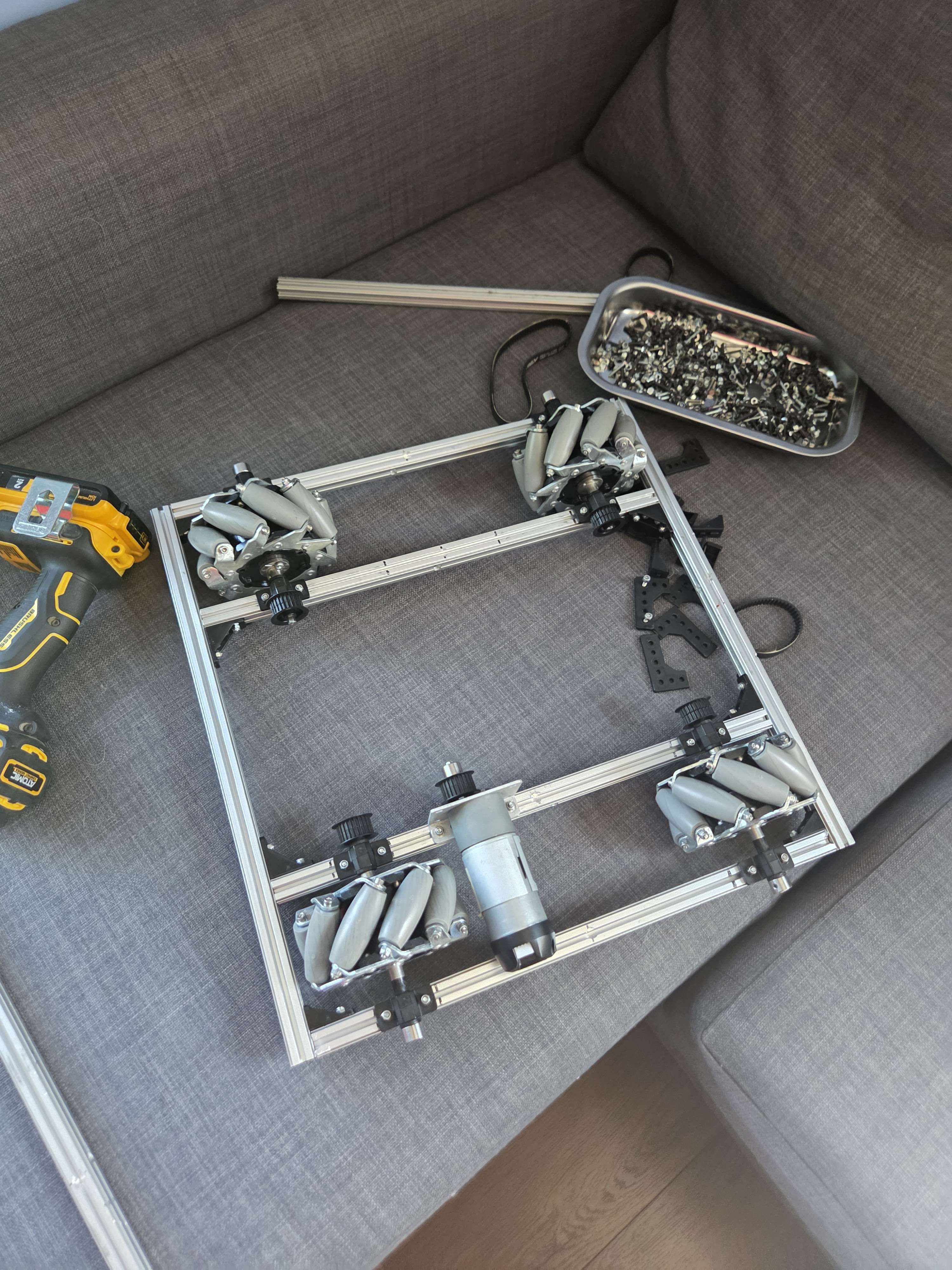
We did not know where to begin. We had no parts, no sponsors, no structure. We had an idea and had not fully fleshed out where to go from there. In late May, we were cleaning out the shed behind our local high school which was run by Bad Robots, and there we would get our first push. Within the shed, we found FTC parts from the now disbanded 8 to Automate team from 2022. We saw this as a sign that Reverse Current was meant to be, so we got to work.
OUR FIRST ROBOT
June - Mid July, 2026
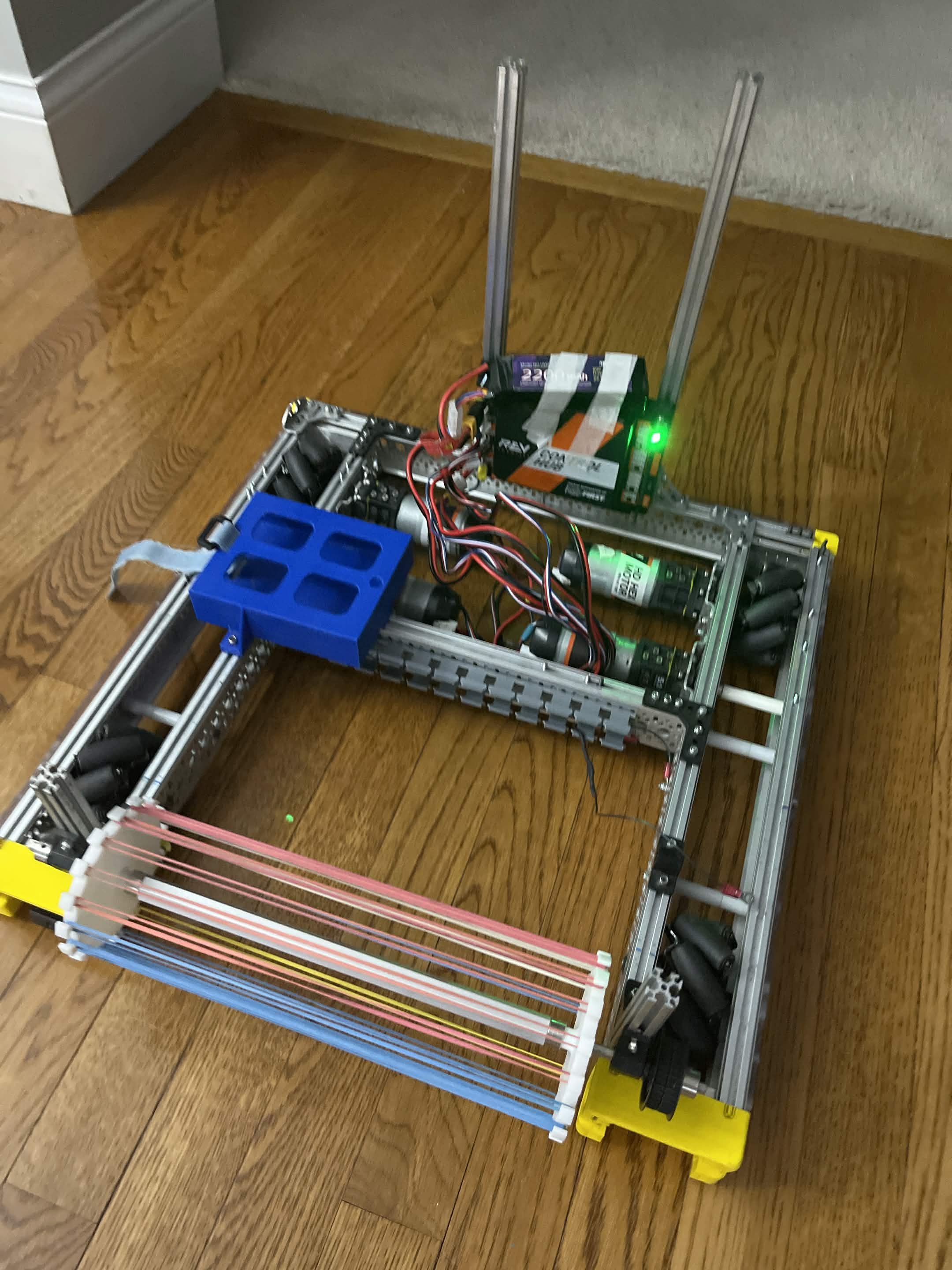
Using the parts we thrifted, we began working on a test chassis to learn the basics of the driver hub, programming, and electrical work. For a week or so, we struggled connecting the robot to the driver hub, then pushing the code to the robot, then connecting controllers. During this stage, our greatest problems were figuring out what parts and materials we were missing, as well as how we needed to set up our team structure and pipeline. For around a week, we could not connect our controllers because we did not have the required OTG adapter for the controllers.
DESIGNING OUR CHASSIS
August, 2026
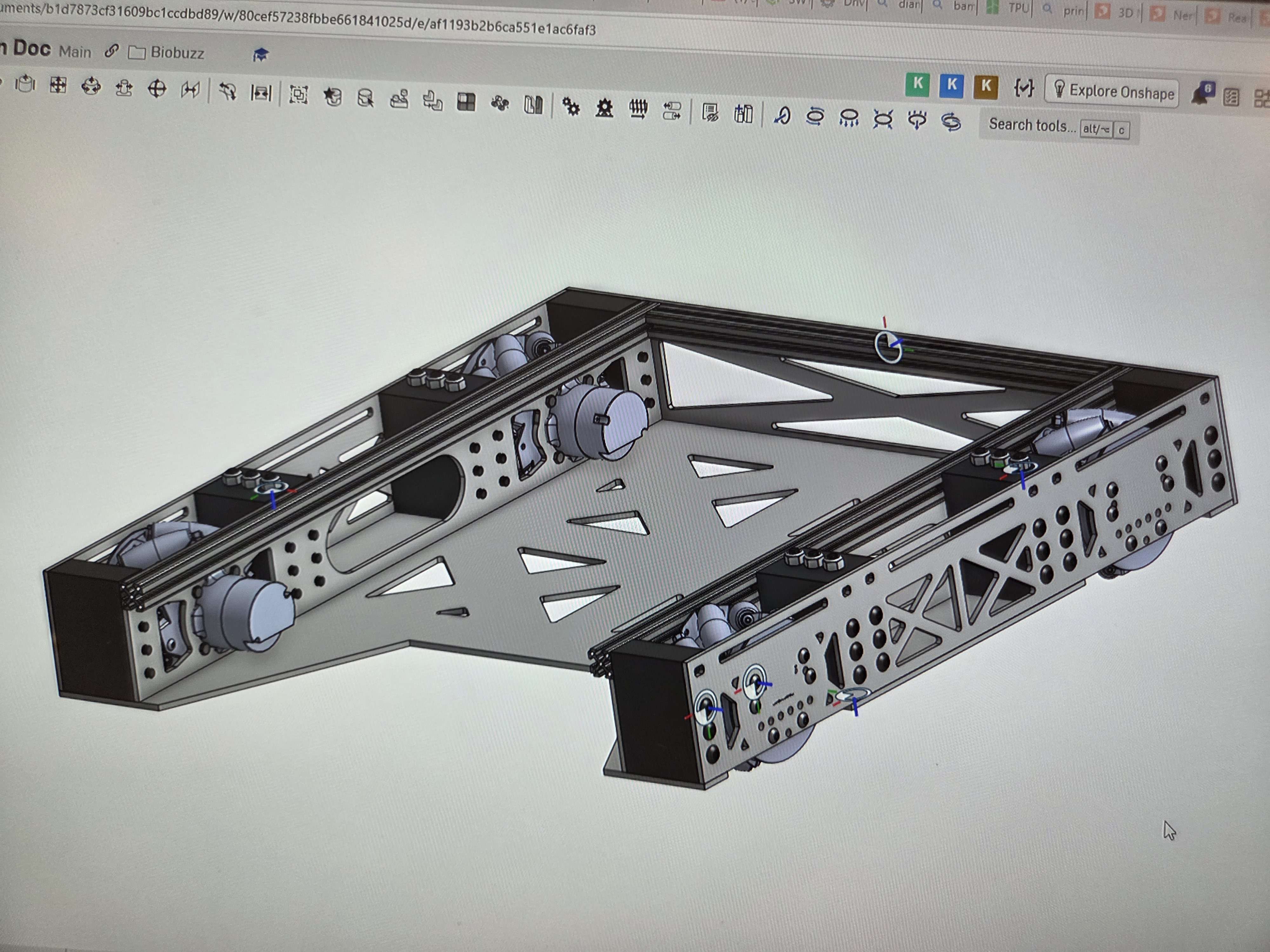
Fortunately for us, we knew that this year's game would involve picking up balls from the ground which would be called 'pollen.' We did not want to waste any time and immediately got to work designing our first metal chassis with an intake section. Some CAD work and metal cutting later, we had the first part of our robot done. We immediately began testing it. Observing how it worked while driving. Seeing how easy it was to mount parts on to it. Seeing how easily we could asses the Control and Expansion Hubs. This was the era of trial and error, fabbing and testing, and we are very happy with our final result. It is sleek, robust, and does the job well.
THE GAME ANNOUNCEMENT
September, 2026
This was the part we had been waiting for. After months of preparation, we were ready to begin. When the announcement for the game came out, we studied the video vigerously. We spent several meetings discussing how we wanted to design our robot. We were overwhelmed with ideas, and learning to prioritize certain parts of a game was a lesson we had to learn. Ideas like a spindexer, mechanical sorting, and elevators had to be scrapped in order to make a clean, robust design for our robot. We could not spread ourselves thin and expect good results.
Nectar, Pollen, and Flowers
Learning how to prioritize instead of generalize
Our biggest challenge at this point in the season was determining what our priorities on the robot should be. Our instinct was to try and do everything as good as possible. We wanted to show off and thought that doing an all-inclusive robot would be the best path to do so. What we learned was that this is just not possible. Everything comes at the sacrifice of something else. We decided we wanted to streamline into shooting, since depositing into flowers was only available in later parts of the game, and because it was much more difficult to design a precise shooter or elevator.
ODOMETRY TUNING
October, 2026
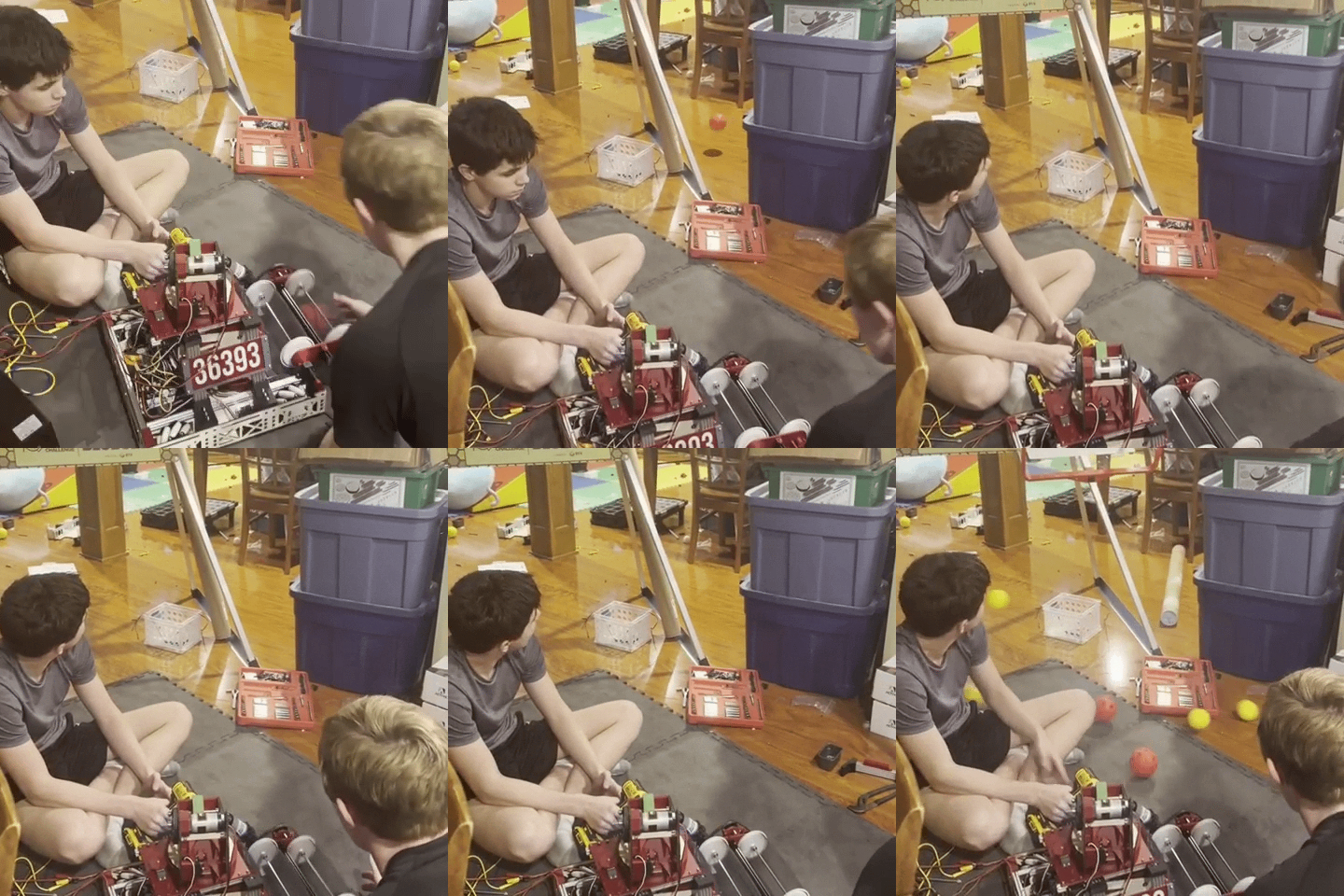
One of our greatest struggles in the early season was the Odometry. Very early on in the season we purchased a GoBuilda Pinpoint, but we underestimated the challenges that would come from trying to ensure our Odometry and subsequent autonomous was properly tuned. When we ran our 'Go Straight' test, the robot would completely swerve to the right. It took us several meetings to properly figure out the issue. We disassembled our drive train, re-oriented the pinpoint, and even tried refactoring our code. We only learned after our first competition that the issue was a faulty motor on the top left of the chassis. Without a doubt this was a reality check not to assume that something works because it should just work. When you are engineering, everything deserves scrutiny.
MEETING NUMBER ONE
Late October, 2026
The time had come for our very first competition... Months of work, struggle, and innovating had led up to this, and we came back with... 2 wins. We were not as successful as we had hoped. We left the competition though with something way more meaningful than winning. We discovered major flaws in our robot, and now we were finally ready to solve them. Mainly, our wooden chassis was too weak. During a match it exploded and causes a wheel to come loose. Along with this we identified several other issues with our robot which needed to be fixed. We came in fully confident we would dominate, but now we understand that even if you believe something will work, it can still fail.